Schedule a Driving Lesson for Road Confidence
Comprehensive Driving Lessons: copyright for Our Professional Driving Course Now!
Progressive driving lessons present a structured approach to developing vehicle control skills. Enrolling in an expert-led class can considerably develop a beginner's competence and assurance. The program is meticulously planned to encompass introductory and sophisticated skills, catering to various experience levels. Understanding what to expect in these classes can make all the difference. There are multiple essential factors that contribute to effective learning and preparation for a driving test.
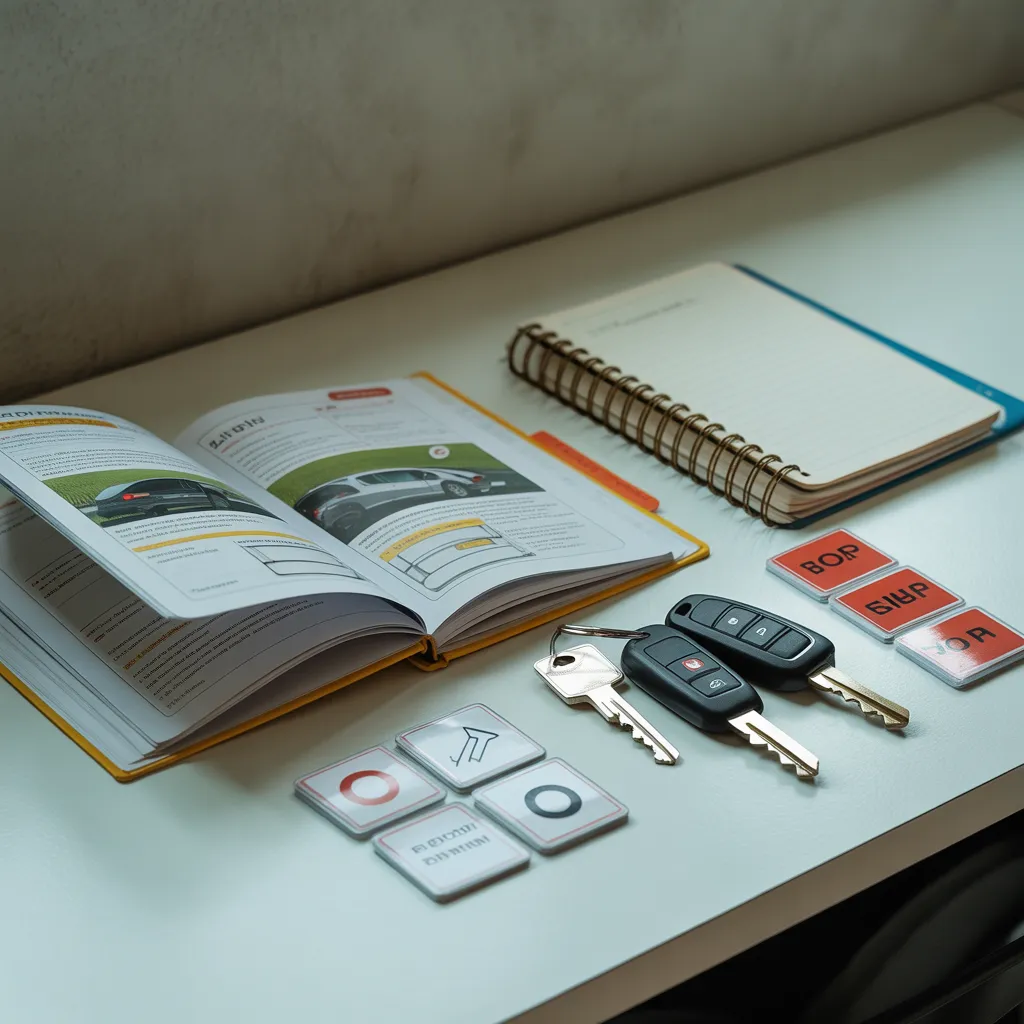
What Happens During Your First Driving Class
As soon as a student begins their first driving course, they may experience a mix of excitement and anxiety. The instructional space, typically populated by fellow learners, sets the stage for a meaningful experience. Driving educators typically open with introductions, detailing the course structure and safety procedures. Students can look forward to receiving instructional materials, including booklets and printed materials, which will act as valuable references throughout their course of study.
The main concentration is primarily on understanding vehicle controls, basic road signs, and essential traffic rules. Instructors frequently stress the value of maintaining a calm demeanor behind the wheel. Students are encouraged to ask questions, building an encouraging educational setting. Once the theoretical component is complete, many classes include practical exercises, where students become familiar with the automobile in a supervised environment. This combination of theory and practice readies learners for the road ahead, instilling confidence as they embark on the road to becoming competent and safety-conscious drivers.
Driver Training Curriculum: Beginner to Advanced
A thorough driver training program covers a journey from basic techniques to advanced techniques, guaranteeing that drivers establish a strong understanding before handling more challenging traffic conditions. At the outset, students concentrate on basic vehicle control, including vehicle steering, stopping techniques, and throttle control. Learners are taught critical traffic laws, road markings, and defensive driving techniques, giving a comprehensive grasp of the rules of the road.
Once students show mastery of these core concepts, the curriculum advances to greater levels of skill. This covers maneuvering across multiple terrain types, navigating harsh weather scenarios, and developing strong defensive driving skills. Furthermore, drivers gain experience with high-speed roadways and complicated intersections, strengthening their capability to respond rapidly in demanding situations.
Within the course, teachers emphasize the value of awareness of surroundings and accountable driving conduct. This systematic framework equips students not only to succeed in their driving examinations but also to become confident and competent drivers in varied conditions.
Developing Confidence as a New Driver
Beginner drivers frequently encounter difficulties when it comes to building confidence on the road. Starting out as a driver can be quite intimidating, given the many tasks involved and the continuous requirement for attention. To alleviate anxiety, new drivers can benefit from practical, gradual exposure to various driving situations. Commencing practice in areas with minimal traffic gives them the opportunity to strengthen core competencies away from the stress of busier, more intricate road conditions.
Regular practice is essential; the more time spent driving, the more familiar and comfortable Driving Lesson they become with their vehicle and surroundings. Moreover, participating in professionally guided driving lessons delivers structured instruction and knowledgeable support, nurturing a sense of reassurance. Positive reinforcement from instructors and supportive peers can also enhance a new driver's self-esteem. Over time, as skills improve, new drivers will find their confidence grows, transforming driving from a challenging task into a more enjoyable and liberating experience.
Getting Yourself Ready for Your Driving Test
How should a new driver go about preparing for their driving test? Preparation is essential for success. To begin with, getting acquainted with the vehicle is crucial. New drivers should make certain they know how to operate all controls, including lights, wipers, and signals. Next, practicing maneuvers such as parallel parking, three-point turns, and lane changes will enhance their skill set.
Additionally, studying the regional driving laws and guidelines can offer useful information into what the examiner will expect. Booking a practice test with a skilled instructor can replicate the real test conditions, assisting in calming pre-test nerves.
Ultimately, verifying all necessary documents are in order, such as the provisional permit and ID, is critical. By implementing these measures, new drivers can approach their driving test with assurance, increasing their chances of clearing the test on their first go.
Typical Questions About Driving Lessons
What should new drivers be aware of before commencing their lessons? A great number of individuals have frequent inquiries concerning the driving lesson process. To begin with, many students inquire about the age requirements; most areas stipulate that students must be at least 16 years of age to receive a learner's permit. Another frequent inquiry concerns the duration of lessons; as a rule, each session is around one to two hours long, varying according to the student's skills and individual needs.
Prospective drivers commonly inquire about the pricing for their lessons. Rates may fluctuate considerably based on where you live and the experience of your instructor. Additionally, many wonder if they need to bring their own vehicle; the majority of driving schools supply vehicles fitted with dual control systems for added safety.
Additionally, pupils frequently ask about the training program. Complete sessions usually cover essential driving skills, traffic laws, and safety practices, guaranteeing that pupils are thoroughly prepared for both their driving test and real-world driving situations.
What Makes Expert-Led Driving Lessons a Great Choice?
What makes expert-led driving lessons better than informal instruction? The response can be found in the quality and efficiency of the instruction delivered. Professional instructors have in-depth knowledge of driving methods, traffic regulations, and safety procedures, making certain that learners are provided with a thorough and detailed education. They employ a structured curriculum that builds skills progressively, making it easier for students to grasp complex concepts.
In addition, expert-led lessons frequently include practical situations, preparing learners to manage different driving environments with assurance. Driving professionals can provide personalized feedback and corrections, which are invaluable for cultivating proper driving behaviors. Beyond that, their professional knowledge permits them to customize instruction to specific learning needs, improving skill mastery and information retention.
Furthermore, skilled instructors consistently keep abreast of current regulations and developments in driver training, confirming that their methods adhere to the latest industry standards. This professionalism makes expert-led driving lessons a superior choice for those who aspire to become skilled drivers.

Common Questions and Answers
What Age Am I Able to Start Taking Driving Lessons?
Typically, students can initiate taking driving lessons at the age of 16, though certain areas permit students to start at 15. It's essential to verify local regulations regarding age restrictions for driving instruction.
Can You Take Driving Lessons on Weekends?
Driving lessons can often be scheduled on weekends, meeting the needs of different timetables. Numerous driving schools acknowledge the need for weekend availability, providing students with the opportunity to learn at their own pace without clashing with weekday duties or responsibilities.
Am I Able to Use My Personal Car for Lessons?
Students are often permitted to bring their personal vehicles for driving instruction, as long as the car satisfies safety standards and is functioning properly. Driving instructors commonly recommend this approach to guarantee familiarity and comfort throughout the lessons.
What Should I Do if I Miss a Class?
Should a student miss a class, they might need to arrange a makeup lesson or reschedule. Attendance policies vary, so the student should reach out to their instructor regarding any potential penalties or options.
Do You Provide Tuition for Automatic and Manual Vehicles?
That's correct, the course offers lessons for both manual and automatic cars. Learners can choose their desired transmission type, ensuring they are provided with personalized instruction that addresses their unique driving needs and preferences for learning.